



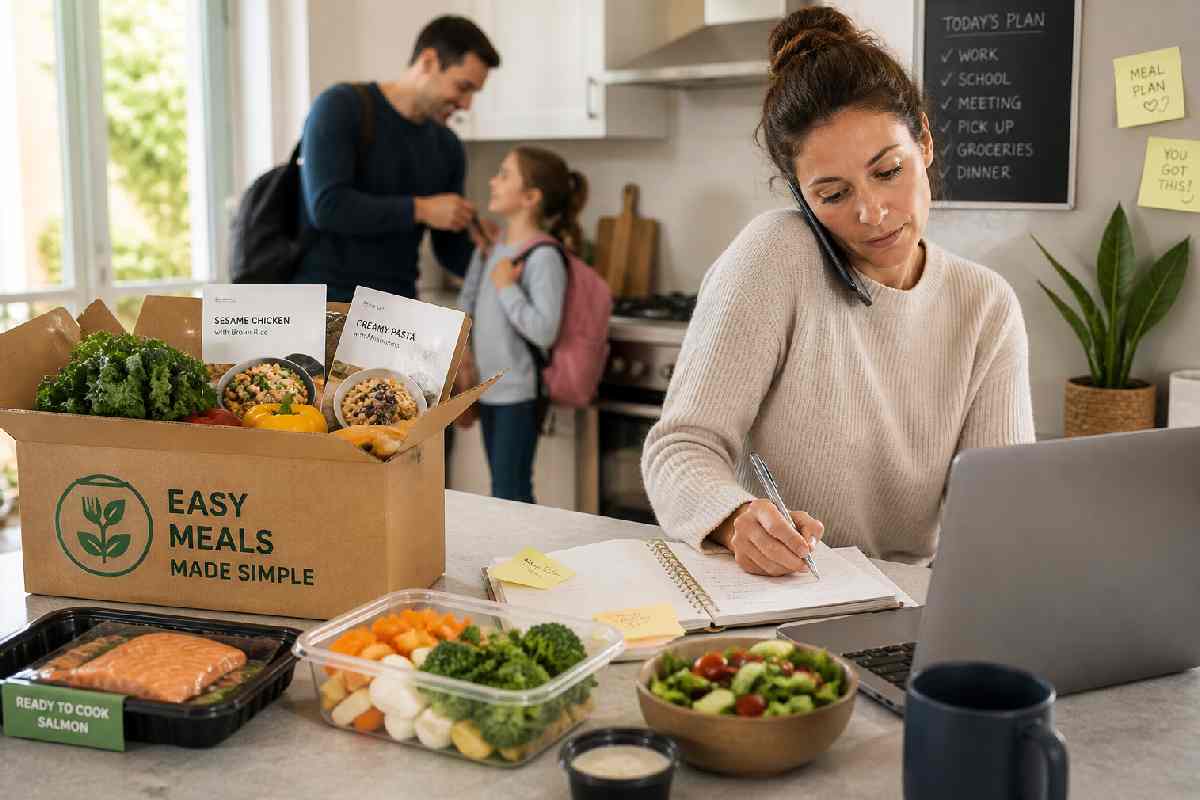
Dinner used to feel like a simple daily routine. Now, for many households, it feels like one more task squeezed between work, school, errands, workouts, bills, and family plans. To understand this shift, recent consumer research, grocery trends, and food industry reports were reviewed to see how time pressure is changing the way people buy and prepare meals.
The result is clear: easy meal solutions are no longer just for people who dislike cooking. They are for working parents, young professionals, caregivers, students, remote workers, and anyone trying to eat well without losing another hour at the end of the day.
Consumers still care about fresh food, variety, and nutrition. The challenge is fitting those goals into real life. That is why grocery delivery, meal kits, prepared ingredients, and ready-to-cook options are becoming part of the modern food routine.
Table of Contents
Why Convenience Has Become a Food Priority
Busy schedules change the way people make choices. When the day runs long, the question is not always “What sounds good?” More often, it is “What can be made fast, with the least amount of effort?”
That shift has created demand for food options that remove friction. People want fewer store trips, less chopping, less planning, and fewer forgotten ingredients. They also want meals that feel better than fast food, both in quality and in how they fit their health goals.
This is where digital grocery models are gaining ground. Someone searching for the best online grocery store for healthy eating is often looking for more than a cart of ingredients. They are looking for a shortcut to better decisions. The value is not only delivery; it is guidance, convenience, and a simpler way to keep healthy food available at home.
Full schedules leave many people with only a narrow window to make dinner. After work, errands, child care, cleaning, and basic rest, cooking from scratch every night can feel unrealistic for many households.
Easy meal solutions fit into that gap. They help people keep meals at home without starting from zero each night. A pre-planned recipe, a ready-to-cook protein, washed vegetables, or a grocery box built around dietary needs can make dinner feel possible again.
The Rise of Smarter Grocery Habits
The demand for easy meal solutions is not only about speed. It is also about better control.
Restaurant delivery can be convenient, but it often costs more and may not match someone’s nutrition goals. Traditional grocery shopping gives people more control, yet it takes planning and time. Modern grocery platforms and meal services sit between those two needs. They offer structure without taking away choice.
This matters for businesses in the food space. Shoppers are becoming more intentional. They want flexible options, not one-size-fits-all plans. A family may need quick dinners during the week, snack options for kids, high-protein lunches, and a few fresh ingredients for weekend cooking. A single adult may want smaller portions, less waste, and meals that do not require buying ten separate items for one recipe.
Online grocery has become a normal part of how many households shop, not just a backup option. Shoppers now blend store visits, delivery, pickup, subscriptions, and app-based planning to save time and make weekly meals easier to manage.
Health is part of the same story. People are not only looking for fast meals. They want quick options that fit their values, diets, budgets, and personal goals.
That creates an opening for brands that can reduce decision fatigue. The easier it is to filter by preference, avoid waste, repeat favorites, and plan several meals at once, the more useful the service becomes.
What This Means for Food Businesses
For grocery brands, restaurants, food startups, and meal solution companies, convenience now needs to be designed into the whole customer experience.
It is not enough to offer delivery. Customers also need simple navigation, clear nutrition details, flexible ordering, realistic portions, and meals that match how people actually live. A recipe that takes 45 minutes and uses three pans may not feel easy for someone who gets home at 7 p.m. A “healthy” product with unclear ingredients may not earn trust from shoppers who read labels closely.
The strongest meal solutions tend to solve several problems at once. They save time, reduce planning, support health goals, and cut down on wasted groceries. That mix is powerful. It speaks to consumers who want to feel organized without spending their whole Sunday meal prepping.
Businesses can also learn from the way people now define value. Price still matters, especially with grocery costs remaining a concern. Yet value is not only the lowest sticker price. It can also mean fewer impulse buys, fewer takeout orders, less food thrown away, and less stress during the week.
For employers and workplace culture, this trend also says something larger about modern life. People are stretched. Food decisions are tied to productivity, wellness, family time, and mental load. Easy meal solutions are growing in part since they give people back a small piece of their day.
The Future of Dinner Is Flexible
Busy lifestyles are practically reshaping the food market. People still want good meals, but they want less hassle around getting them on the table. That demand is driving growth in online grocery, prepared ingredients, meal kits, and personalized food planning.
The winners in this space will be the brands that understand real schedules, not ideal ones. They will make healthy eating feel easier, faster, and more realistic